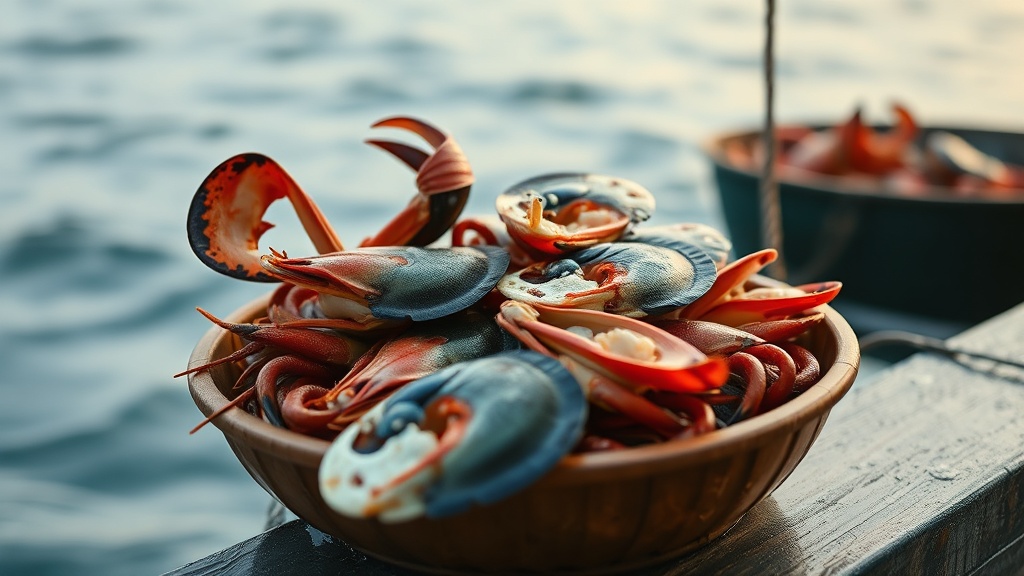
Finding the Best Shellfish on the Gaspé Coast

This guide explains how to identify, purchase, and prepare high-quality shellfish found specifically along the Gaspé Peninsula. You'll learn the differences between local varieties like Blue Mussels and Northern Shrimp, how to spot fresh seafood at local markets, and what to look for when buying from fishmongers in towns like Percé or Gaspé. Understanding these distinctions ensures you aren't just eating any seafood, but the specific, high-quality products the Gaspé coast is famous for.
What are the most common types of shellfish in Gaspésie?
The most common shellfish you'll encounter along the Gaspé coast are Blue Mussels (Mytilus edulis), Northern Shrimp, and various types of scallops and clams. Because our waters are cold and nutrient-rich, the quality of these products is often superior to what you'll find in southern Quebec or even in grocery stores in Montreal.
Blue Mussels are the backbone of the local seafood diet. They're easy to find, relatively affordable, and incredibly easy to cook. If you're visiting a local market, you'll likely see them sold in bulk or pre-packaged. Then there's the Northern Shrimp (often called "Gaspé Shrimp"). These aren't your typical pink shrimp; they are much more delicate and have a sweet, subtle flavor that makes them a premium product.
Scallops are another big player here. The Atlantic Sea Scallop is a staple of the region. When you buy these, you're getting a product that has been harvested from the cold depths of the Gulf of St. Lawrence. It's a different experience than the frozen, mass-produced versions found in big-box stores.
Here is a quick breakdown of what to expect from each:
| Type | Flavor Profile | Best Cooking Method |
|---|---|---|
| Blue Mussels | Briny, salty, and firm | Steamed with garlic and white wine |
| Northern Shrimp | Sweet and delicate | Lightly sautéed or boiled |
| Atlantic Scallops | Buttery and rich | Pan-seared with butter |
| Littleneck Clams | Clean and oceanic | Steamed in broth |
Where can I buy fresh shellfish in the Gaspé region?
You can buy the freshest shellfish at local fishmongers, direct-from-the-dock stands, or specialized seafood markets in coastal towns like Percé, Gaspé, and Chandler.
Don't just head to the standard supermarket if you want the real deal. While you can find seafood in major grocery chains, the quality varies wildly. If you want the best, look for a poissonnerie (fish market) that actually has a local connection. These shops often get their stock directly from the boats that just came in. It's a much better way to ensure you're getting something that hasn't been sitting in a shipping container for a week.
In many cases, you can find small roadside stands or seasonal markets during the summer months. These are gold mines for locals. You might find a fisherman selling a bucket of fresh mussels right from his truck. It's informal, but the quality is often unbeatable. Just make sure you check the local regulations regarding food safety and harvesting to ensure everything is above board.
For more information on the biological standards and the health of the marine environment in our waters, you can check the official Fisheries and Oceans Canada website. This is a good way to understand the ecosystem that produces our seafood.
One thing to keep in mind: seasonal availability matters. You won't find the same variety in January as you do in July. The weather and water temperature dictate what's being pulled from the sea, so adjust your expectations accordingly.
How can I tell if shellfish is fresh?
Fresh shellfish should have a clean, oceanic scent, a firm texture, and—in the case of bivalves—tightly closed or strongly reacting shells.
If you're buying mussels or clams, look at the shells. If they are open, tap them gently. A fresh mussel should snap shut immediately. If it stays open, it's dead and you should leave it on the shelf. The same goes for clams; they should be heavy and feel "alive" in your hand. If they feel light or hollow, they aren't worth the money.
When it comes to shrimp, look at the color and the eyes. For Northern Shrimp, the color should be vibrant. If the meat looks mushy or has a greyish tint, it's a bad sign. You want a product that looks like it was pulled from the water recently. The smell is the ultimate test. It should smell like the ocean—salty and fresh—not like "fish." If it smells "fishy" or pungent, it's already starting to turn.
A quick checklist for your next purchase:
- The Sniff Test: Smells like sea salt, not rot.
- The Shell Test: Mussels and clams must be tightly closed or close upon touch.
- The Texture Test: Meat should be firm and springy, not slimy or soft.
- The Visual Test: No discoloration or strange cloudy liquids in the packaging.
It's worth noting that even "premium" looking seafood can be a dud if it hasn't been stored correctly. Always ask the person behind the counter how long the product has been in their display. A good fishmonger will be happy to tell you. If they seem hesitant, move on to the next shop.
What are the best ways to prepare local seafood?
The best way to prepare local shellfish is to use minimal ingredients to let the natural flavor shine through.
Since the quality of the seafood in the Gaspé region is so high, you don't need to mask it with heavy sauces or excessive spices. For example, if you're cooking scallops, all you really need is a bit of high-quality butter, a pinch of salt, and maybe a squeeze of lemon. If you drown a beautiful Atlantic scallop in a heavy cream sauce, you're actually hiding the very thing you paid for.
For mussels, a classic garlic and white wine steam is the way to go. It's simple, it's fast, and it creates its own delicious broth that you'll want to soak up with crusty bread. This isn't a suggestion—it's a requirement. If you aren't eating the broth at the end, you're doing it wrong.
If you're working with Northern Shrimp, try a very light sauté. You want to keep the texture delicate. Overcooking them is the fastest way to ruin them. They are much more sensitive than the standard shrimp you find in a frozen bag at a big-box store. For a more detailed look at seafood-safe temperatures and cooking guidelines, the Government of Canada food safety page is a great resource.
One thing I've learned over the years: always prep your aromatics before the seafood hits the pan. Shellfish cooks incredibly fast. If you're still chopping onions while your scallops are in the pan, you're going to end up with a burnt mess. Have your garlic, herbs, and liquids ready to go. This is especially true for mussels, which can go from perfect to rubbery in a matter of minutes.
If you want to understand more about the specific species found in the North Atlantic, the Wikipedia page for Mytilus edulis provides excellent biological context. It helps to know exactly what you're eating and where it comes from.
Whether you're cooking at a rental cottage or eating at a local bistro, remember that the product is the star. Treat it with respect, cook it simply, and you'll have a much better experience.
Steps
- 1
Check the Seasonality
- 2
Look for the Shine
- 3
Smell the Sea Air
- 4
Ask the Local Fisherman