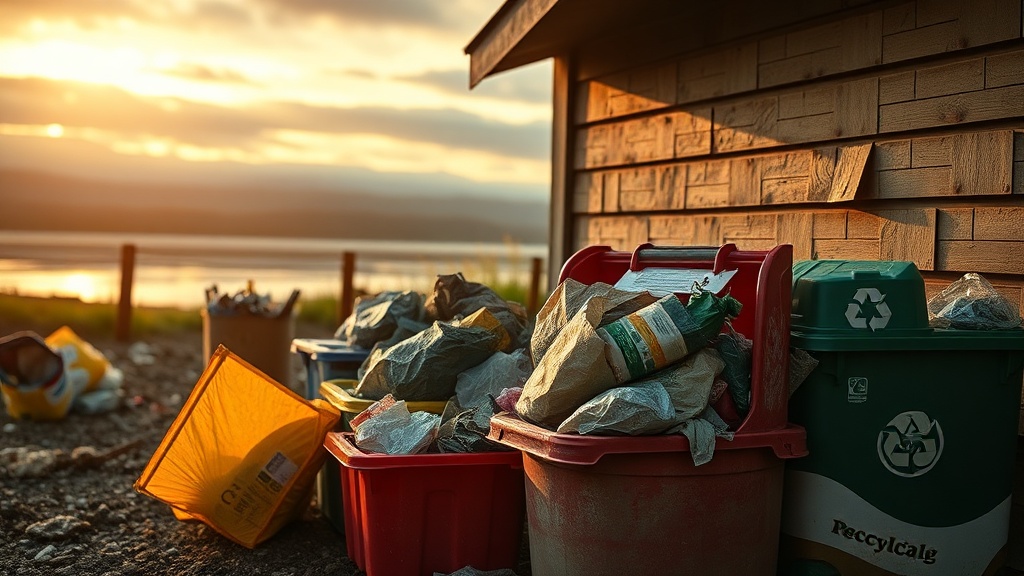
Managing Your Household Waste and Recycling in Gaspesie

You've just finished a big community dinner, and now you're staring at a pile of glass bottles, cardboard, and food scraps. You aren't quite sure which bin they go in or which collection day applies to your specific street in Gaspesie. It's a common point of confusion for many of us living here. Managing residential waste correctly isn't just about keeping our neighborhoods clean—it's about following the specific collection schedules and rules that keep our local environment healthy. In Gaspesie, the rules for what can be recycled and what goes to the landfill can vary slightly depending on your exact municipality, but the core principles remain the same.
Understanding the local collection cycles is the first step. Whether you live near the bustling center of Chandler or in a quieter corner of the Gaspésie Peninsula, our local services rely on us being diligent. If you miss the pickup window or put the wrong item in the blue bin, it doesn't just affect your street; it affects the efficiency of our entire regional waste management system. We've seen many neighbors struggle with the changing rules for organic waste, so let's break down exactly how to handle your household debris without the guesswork.
How do I know which day is collection day in Gaspesie?
The most frequent question we hear from residents involves tracking the collection schedule. Unlike larger cities where apps might be universal, in Gaspesie, you'll need to check with your specific municipal office or the local town hall. Most of our local municipalities publish a physical calendar or a PDF on their official websites. For instance, if you are looking for information regarding services in the Gaspésie region, you can often find updates through the official site of the Gaspésie region resources or your specific town's website.
A good tip for our community is to print a physical copy of the annual collection calendar and stick it on the fridge. Relying on digital notifications isn't always reliable when the weather turns or when you're out running errands. We recommend marking the specific dates for trash, recycling, and organic waste (compost) on your phone's calendar as soon as the new schedule is released each year. This ensures you aren't left with a pile of bags sitting on the curb for an extra week.
What items can actually go in the blue bin?
Recycling-wise, we have to be quite strict. Many people assume that if it's plastic, it's recyclable, but that's a mistake that can lead to entire batches of recycling being rejected in Gaspesie. In our region, the focus is on clean, dry materials. This includes:
- Paper and Cardboard: Flatten your boxes to save space in the bin.
- Plastic Containers: Generally, focus on hard plastics like water bottles or detergent jugs.
- Metal: Aluminum cans and tin cans are perfectly fine once rinsed.
- Glass: Be careful with this; some local collectors have specific rules about glass thickness.
One thing to remember: if a container is contaminated with food—like a peanut butter jar that wasn't cleaned—it's better to put it in the regular trash. We want to keep our local recycling streams as pure as possible. If you're unsure about a specific item, it's better to err on the side of caution and put it in the garbage rather than ruining a whole load of good recyclables.
How should I handle organic waste and compost?
Organic waste is a huge part of our household output here in Gaspesie. Instead of letting food scraps rot in a landfill, which produces methane, we should be using organic-specific bins. This is particularly important for our community to maintain a healthy cycle of waste reduction. You can use green bins for vegetable scraps, fruit peels, coffee grounds, and even some types of biodegradable paper products.
A common mistake is putting meat or dairy in the recycling bin. These should go into the organic waste or regular garbage depending on your local municipality's specific guidelines. If you are living in a more rural area of Gaspesie, you might even have the option for backyard composting, which is a wonderful way to give back to your own soil. However, for those of us in more densely populated areas, following the municipal green bin protocol is the best way to go. You can check more about environmental standards via the Environment and Climate Change Canada website to understand the broader impact of these local actions.
Where can I dispose of large items or hazardous waste?
We've all been there: you've finally bought a new piece of furniture or a broken appliance, and the old one is taking up way too much space in the garage. You can't just leave it on the curb in Gaspesie; that's not how we treat our community. For large items like mattresses, old electronics, or heavy furniture, you'll need to look into the local "écocentre" or specialized collection events.
Many parts of Gaspesie have designated drop-off points for hazardous materials. This includes things like old paint, batteries, and even certain types of lightbulbs. These items contain chemicals that can be quite harmful if they leak into our local soil or water systems. If you have a heavy-duty item that is too large for the regular weekly pickup, check the local municipal bylaws. Often, there are specific "bulk item" days once or twice a month where you can set things out without a fine being issued.
| Waste Type | Best Method | Note for Gaspesie Residents |
|---|---|---|
| Plastic Bottles | Blue Bin | Rinse them first! |
| Food Scraps | Green Bin | No plastic bags unless compostable. |
| Old Electronics | Écocentre | Do not put in regular trash. |
| Large Furniture | Special Collection | Check your town's schedule. |
Keeping our local environment clean is a shared responsibility. Whether you're living in a small apartment or a large house, the way you handle your trash affects the beauty and health of Gaspesie. Let's keep our streets clean and our recycling streams high-quality.