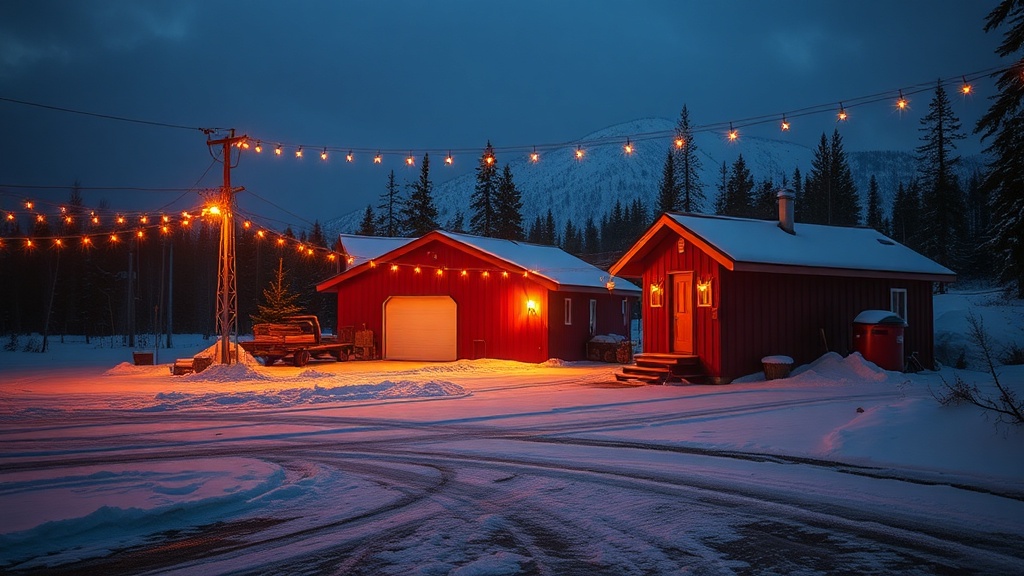
Setting Up Your Household Infrastructure in Gaspesie

Did you know that nearly 30% of homes in the Gaspésie peninsula rely on specific local heating and water systems that differ significantly from the rest of Quebec? This guide covers the practicalities of setting up your residential infrastructure—from water connections to heating systems—specifically for those moving into or building within our Gaspesie communities. Understanding the local geography and the seasonal shifts in our region isn't just about weather; it's about how your home functions through a harsh winter and a damp spring.
When we talk about building or renovating in Gaspesie, we aren't just talking about aesthetics. We are talking about survival and long-term maintenance in a coastal environment. Whether you are settling in a quiet corner of Percé or a more central spot near Sainte-Anne-des-Monts, your home's foundation and utility connections dictate your comfort level for decades.
How do I connect to local water and septic services in Gaspesie?
The first thing you need to figure out is whether your property is on a municipal water line or if you'll be relying on a private well. In many parts of Gaspesie, especially in more rural or coastal areas, municipal water isn't an option. If you're building a new home near the mountains, you'll likely need to plan for a septic system. This isn't a decision you make lightly—it requires a deep understanding of the soil composition in your specific Gaspesie neighborhood.
Before you start digging, check with your local municipality. For instance, if you are in the territory of Gaspé, the rules for septic-to-water ratios might differ from those in the Baie-des-Chaleurs area. We've seen many residents run into trouble because they didn't account for the rocky terrain that is so common across Gaspesie. You might need a specialized professional to ensure your drainage system doesn't fail during the heavy spring melt. Always verify your local zoning laws through the Government of Quebec official resources to ensure your installation meets provincial standards.
If you are in an area with municipal service, the connection process is usually straightforward but requires a permit. You'll need to contact the local town hall to ensure your property is ready for the hookup. Don't assume that because your neighbor has a connection, you will automatically be granted one without the proper inspections.
What heating systems work best for a Gaspesie home?
Heating in Gaspesie is a different beast compared to Montreal or Quebec City. We deal with high humidity from the Atlantic and heavy snow loads. While electric baseboard heating is common, many of our neighbors rely on wood-burning stoves or high-efficiency heat pumps to keep costs manageable during the long winters. When selecting a system, consider the wind exposure of your specific lot. A house on a cliffside in Gaspesie will need a much more strong heating plan than a house sheltered by the mountains.
Many local residents prefer a hybrid approach. Using a wood stove for supplemental heat during the peak of winter can save a lot of money, but you must ensure your chimney is built to withstand the heavy frost and high winds we get here. If you are looking at heat pumps, make sure they are rated for the cold temperatures we experience in the Gaspésie region. A standard unit might struggle when the temperature drops below -20°C.
- Wood Stoves: Great for reliability, but requires a dry wood supply.
- Heat Pumps: Excellent for efficiency, but check the cold-weather rating.
- Electric Heating: Simple to install, but can become expensive during peak winter months.
We suggest consulting with local contractors who understand our local microclimates. A system that works in the interior of the province might struggle with the salt air and humidity levels found right on the coast of Gaspesie.
How can I protect my home's foundation from the local climate?
The ground in Gaspesie can be tricky. Between the heavy snow and the freeze-thaw cycles, your foundation is under constant pressure. If you are building in a coastal area, the salt in the air can also affect certain building materials. It's vital to use materials that are resistant to both moisture and salt spray to prevent premature degradation of your home's structure.
One thing we often see is improper drainage around the base of the house. Given the heavy rainfall and snowmelt we experience, you need a strong gutter and drainage system. Make sure your downspouts direct water far away from your foundation. In many parts of Gaspesie, the ground can become quite saturated, and if your drainage isn't perfect, you'll face basement flooding or structural shifting within just a few years.
If you are looking for more detailed building codes and standards, the Régie du bâtiment du Québec (RBQ) is the authority you should follow. They provide the necessary guidelines to ensure your construction is safe and meets the legal requirements for our province. Keeping your home's exterior well-maintained is the best way to ensure that your investment lasts through the decades in our unique environment.
Whether you are checking the local town hall for water rights or ensuring your heat pump is ready for a freeze, being proactive is the key to successful living in Gaspesie. Our community thrives when we take care of our infrastructure and respect the local environment.